

Electromagnetic heat induction
Electromagnetic heat induction is an advanced thermal technology that uses alternating magnetic fields and eddy currents to generate precise internal heat within conductive metallic substrates. JH Norton applies these fundamental physics principles to industrial maintenance, delivering targeted thermal energy directly to steel surfaces without open flames or abrasive media.
When an alternating electric current passes through an induction coil, it creates a rapidly reversing magnetic field. This magnetic field induces localized electrical currents, known as eddy currents, inside the underlying steel substrate. Resistance to these circulating currents rapidly converts electrical energy into controlled thermal heat right at the material interface.
How does electromagnetic heat induction work?
Electromagnetic heat induction works by passing high-frequency alternating current through an induction coil, which generates a fluctuating magnetic field that induces eddy currents inside conductive metals like steel, instantly producing localized friction heat.
Why are steel substrates ideal for induction heating?
Steel substrates are ideal for electromagnetic heat induction because their ferromagnetic properties allow high magnetic permeability and electrical resistivity, which maximize the density of induced eddy currents and accelerate thermal conversion.
What frequency ranges are used in electromagnetic induction heating?
Electromagnetic induction heating typically operates within specific kilohertz (kHz) frequency ranges to precisely control the depth of penetration and thermal transfer rates for different industrial applications.
How does energy transfer efficiency compare to traditional heating?
Energy transfer efficiency in electromagnetic heat induction surpasses traditional combustion methods by delivering heat directly inside the metal via magnetic coupling rather than heating the surrounding ambient air.
What is the depth of penetration for induction heating?
The depth of penetration depends directly on the operating frequency, electrical resistivity, and magnetic permeability of the target metal, allowing engineers to restrict heat to the exact material interface required.
Standard Features
- Removes coatings without abrasive media
- Reduced airborne dust and contaminants
- Minimal secondary waste generation
- Preserves steel substrate integrity
- Lower noise levels compared to blasting
- Reduced cleanup and containment requirements
- Controlled coating removal with minimal surface impact
What Is Heat Induction Removal
Controlled Coating Removal Without Abrasive Impact
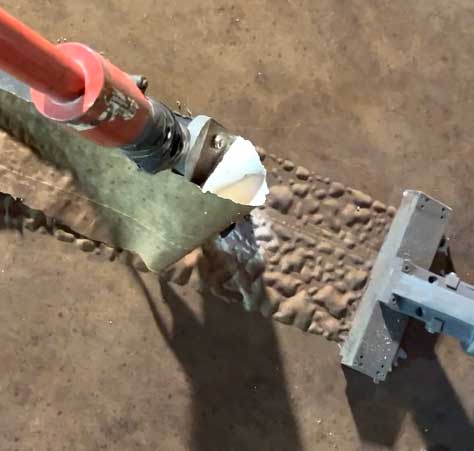
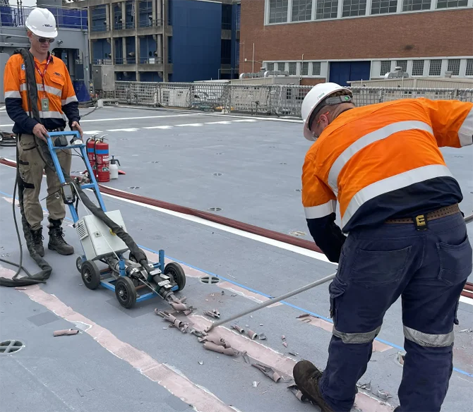
Heat induction systems use electromagnetic energy to transfer controlled heat into steel substrates, breaking the bond between the coating and the surface. Instead of pulverizing coatings like ordinary abrasive methods, coatings are lifted and removed in sections or strips.
This process helps reduce airborne contaminants, cleanup, and waste while maintaining control over the substrate surface.
When to Use Heat Induction
Built for Environments Where Control Matters
Common Applications:
- Pipeline coating removal
- Shipyard maintenance
- Structural steel remediation
- Tank lining removal
- Offshore maintenance projects
- Industrial facility maintenance
- Areas with strict containment requirements
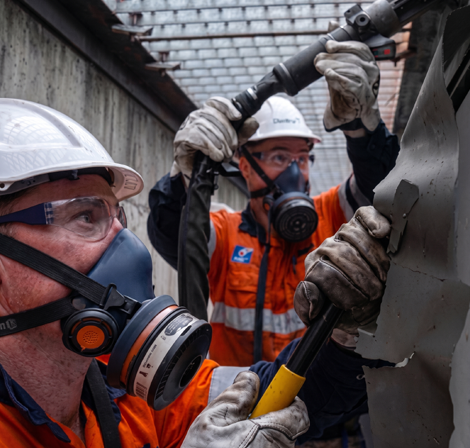
JH Norton Engineering Specifications
- Operating frequencies: Kilohertz (kHz) ranges optimized for deep substrate penetration
- Primary target material: Carbon steel and ferromagnetic substrates
- Energy transfer efficiency: Direct non-contact coupling without flame loss
- Service territory: Nationwide
- Industry compliance: Strict adherence to safety and environmental standards
- Field support: Certified technical specialists since 1973 with over 50 years of experience
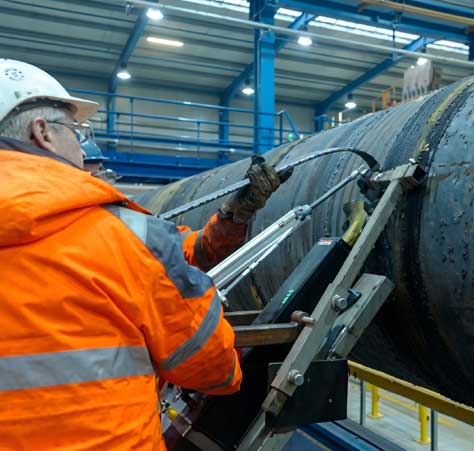
Why Choose Heat Induction Over Ordinary Abrasives
Controlled Removal Without the Dust and Media
Standard Features:
- No abrasive media consumption
- Lower airborne particulate generation
- Reduced containment requirements
- Less waste and cleanup compared to blasting
- Lower operational disruption in active environments
- Controlled removal on steel substrates
Where Heat Induction Excels
Ideal for Sensitive and Operational Environments
Heat induction systems are commonly used where abrasive blasting may create excessive dust, containment challenges, or operational disruption. The process is especially effective for removing thick industrial coatings while helping maintain cleaner work environments.
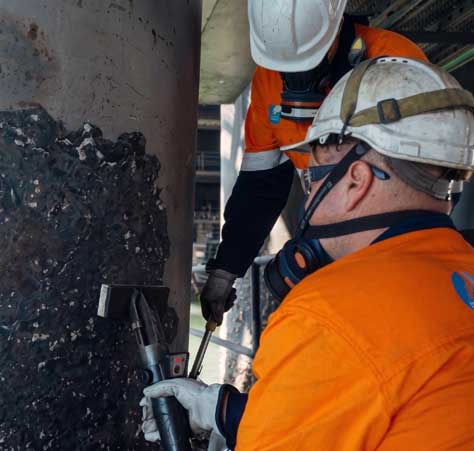

How JH Norton Supports the Process
More Than Equipment
Selecting the right coating removal process depends on the coating system, environment, containment requirements, and operational goals. JH Norton works directly with customers to determine when heat induction technology is the right fit and how to apply it effectively in the field.
Also see: Laser Cleaning Systems
Why JH Norton?
MORE THAN EQUIPMENT
Selecting the right heat induction equipment requires an understanding of your application, environment, and performance requirements.
Our team works directly with you to ensure the system fits your operation and delivers consistent results.
- Application-based equipment recommendations
- Hands-on industry experience
- Support before, during, and after the sale
- Reliable service when it matters
FIND THE RIGHT HEAT INDUCTION EQUIPMENT
Work with a team that understands real-world applications and delivers solutions that perform.

Find the Right Coating Removal Solution
Work with a team that understands industrial maintenance, containment, and controlled surface preparation technologies.
DISCLAIMER
These non-abrasive surface preparation methods are designed to clean and remove contaminants without the aggressive profiling associated with ordinary abrasive blasting. However, extended dwell time, surface condition, or improper application may result in minimal surface alteration or profiling in certain applications.
