


An anchor profile is the microscopic peak-and-valley texture created on a metal or concrete substrate during abrasive blasting, providing the mechanical key necessary for industrial coatings to bond successfully. Without this intentional roughness, liquid paints, epoxies, and powder coats simply slide off smooth surfaces over time. Understanding this metric keeps assets protected from premature corrosion.
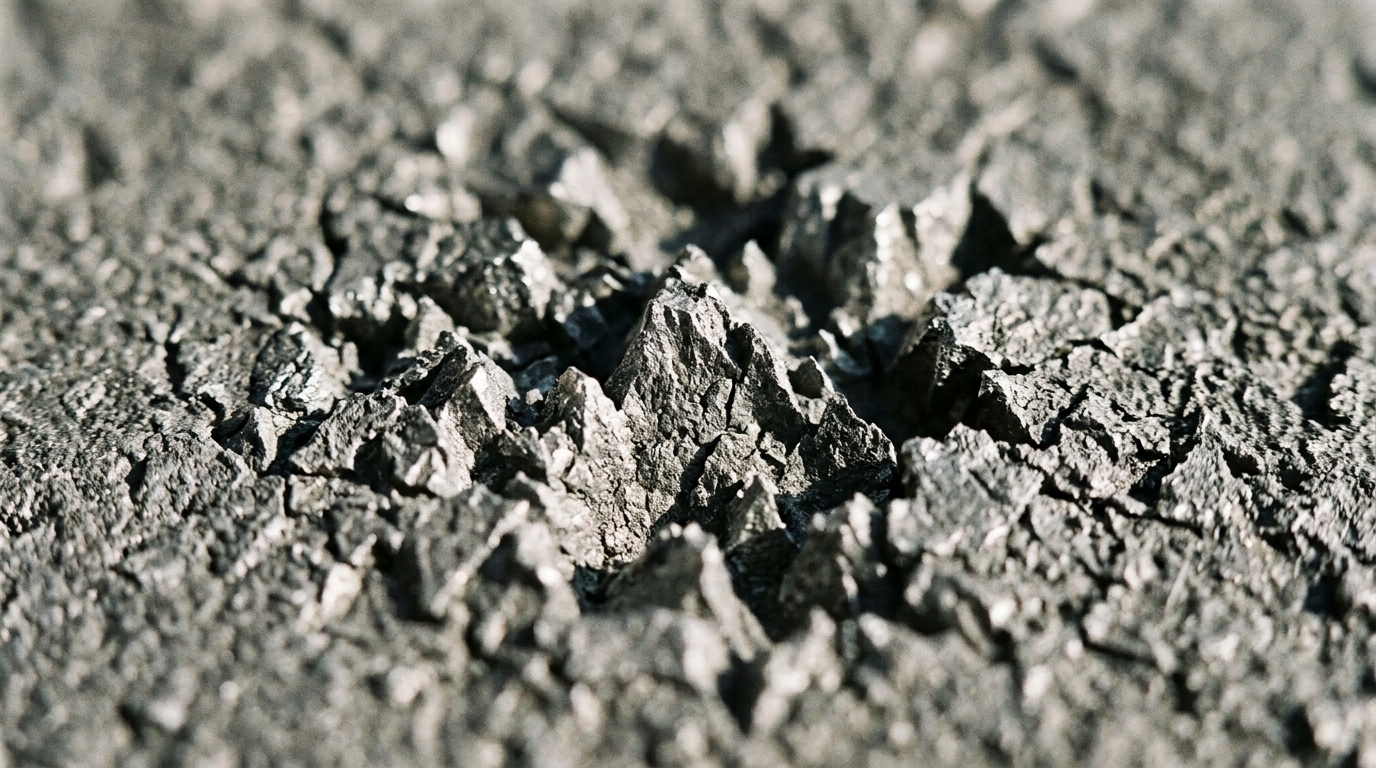
Industrial coating failures rarely happen because the paint was low quality. They happen because the substrate beneath them was slick, contaminated, or improperly prepped. When you look closely at a piece of steel after heavy-duty surface preparation, you are looking at a landscape of microscopic mountains and canyons. That physical topography dictates the lifespan of your protective coating system.
Why the Anchor Profile Matters for Coating Adhesion
Coatings adhere to substrates through two primary mechanisms: chemical bonding and mechanical interlocking. While chemical primers play a role, mechanical adhesion does the heavy lifting in harsh environments.
When abrasive media impacts a bare metal surface at high velocity, it shears away mill scale, rust, and old paint while gouging the base metal. This process creates the anchor pattern. Liquid coating flows into the microscopic valleys of this pattern and cures in place. Once hardened, the coating acts like a network of tiny physical hooks locked into the steel.
If the surface remains smooth, the coating relies entirely on surface tension and chemical adhesion. Thermal expansion, vibration, and moisture soon break that bond. Proper surface preparation eliminates this risk by giving the coating something physical to grip.
How Abrasive Choice Shapes the Profile
Different blasting media create vastly different profiles. Choosing the right abrasive depends heavily on the substrate material, the thickness of the coating system, and the required profile depth.
- Angular Abrasives: Materials like crushed glass, aluminum oxide, and steel grit cut into the metal, leaving sharp, jagged peaks and valleys that maximize mechanical keying.
- Spherical Abrasives: Steel shot dents the metal rather than cutting it, producing a smoother, rounded dimple pattern rather than a jagged profile.
- Alternative Media: Softer options like walnut shells or agricultural media clean surfaces without altering the underlying profile at all, which is ideal when removing coatings from delicate substrates.
Managing this process requires controlled industrial environments. Utilizing specialized blast rooms and engineered blast cabinets ensures consistent media velocity and impact angles, which translates directly to a uniform profile across complex geometries.
Measuring and Verifying Profile Depth
Guesswork has no place in industrial painting specifications. Inspectors measure profile depth using specific tools to verify that the preparation meets standards set by organizations like SSPC and NACE.
- Visual Comparators: The inspector compares the blasted metal surface against standardized metallic discs with known profile depths using tactile and visual inspection.
- Depth Micrometers: A needle-point gauge measures the distance from the peak of a surface texture to the bottom of an adjacent valley.
- Replica Tape: Mylar tape with a compressible foam layer is rubbed against the blasted steel, then measured with a micrometer to determine the maximum peak-to-valley height.
Specifications typically call for a specific range, such as two to three mils. Staying within this window is critical for long-term coating performance.
Comparison
| Media Type | Particle Shape | Resulting Profile Type | Typical Application |
|---|---|---|---|
| Steel Grit | Angular | Sharp, jagged peaks | Heavy industrial steel, shipyards |
| Steel Shot | Round | Rounded dimples | Stress relief, pre-painting prep |
| Aluminum Oxide | Angular | Deep, aggressive etch | Hard metals, aerospace components |
| Glass Beads | Spherical | Minimal to none | Cleaning without dimension change |
Frequently Asked Questions
What is anchor profile in surface preparation?
Anchor profile is the roughness or texture created on a substrate surface through abrasive blasting, providing microscopic peaks and valleys that mechanical coatings grip onto. This surface texture is mandatory for ensuring industrial paint and epoxy systems remain bonded to steel and concrete over decades of service.
How do you measure an anchor profile?
An anchor profile is typically measured using replica tape, surface profile gauges, or depth micrometers to ensure the depth meets coating manufacturer specifications. These tools quantify the vertical distance between the highest peaks and lowest valleys on the treated substrate.
What happens if the anchor profile is too deep?
If an anchor profile is too deep, the peaks of the metal may poke through the thin film of the initial coating layer, creating microscopic rust points and premature failure. Excessively deep profiles also waste expensive coating material because paint must fill the deep valleys before building proper film thickness over the peaks.
What happens if the anchor profile is too shallow?
If an anchor profile is too shallow, the paint or protective coating lacks sufficient mechanical keying surfaces, leading to delamination and peeling under thermal stress or mechanical impact. Without adequate tooth, the coating acts as a continuous sheet that breaks free from the substrate easily.
Ensuring Long-Term Protection Through Proper Prep
Getting the anchor profile right separates temporary cosmetic fixes from permanent industrial protection. Whether you manage fleet maintenance, structural steel fabrication, or heavy machinery restoration, cutting corners on surface preparation guarantees premature coating failure.
JH Norton provides the equipment, expertise, and systems required to achieve exact surface preparation standards for any industrial application. Contact us today to discuss your project requirements and find the right solutions for your facility.
